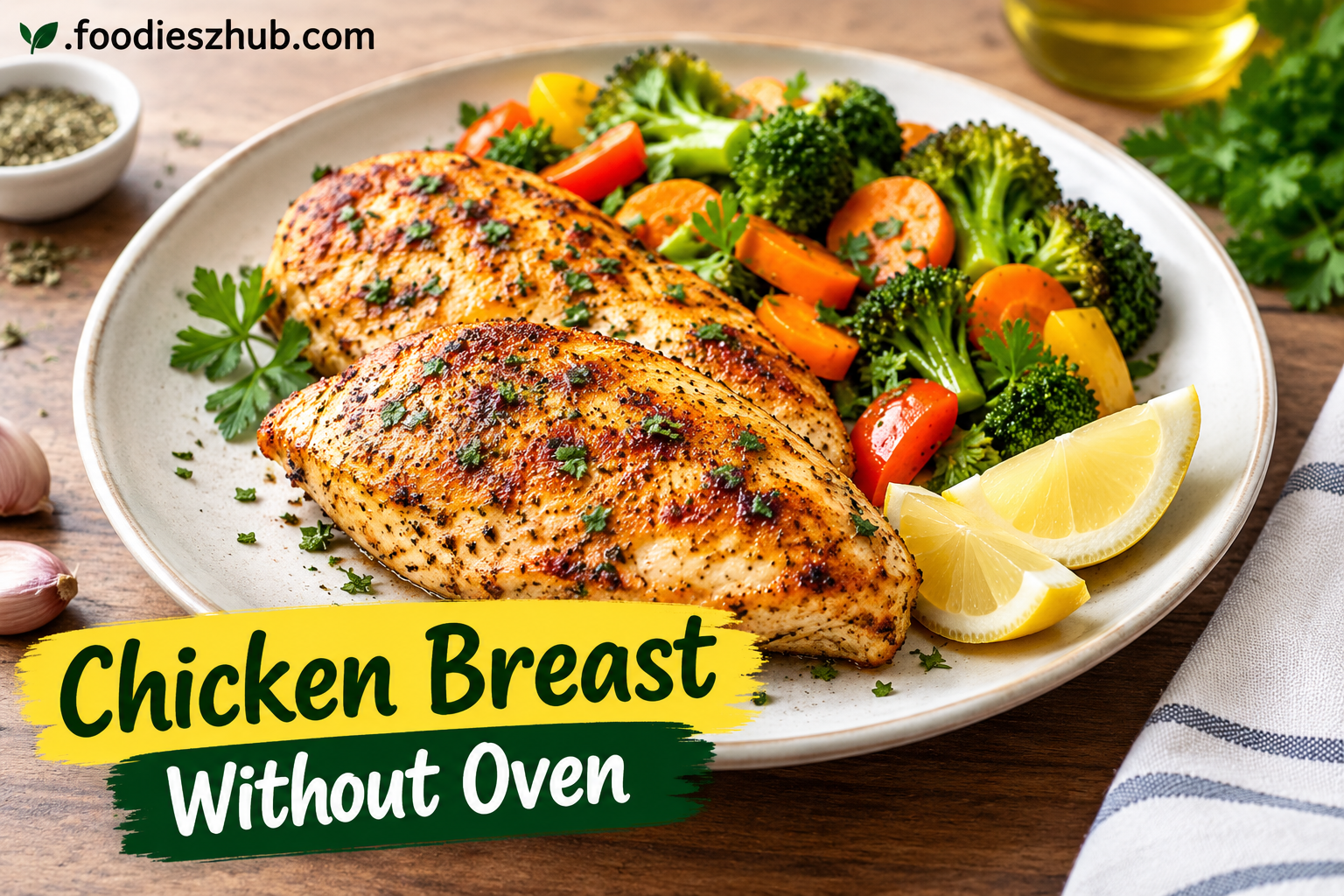
Chicken Breast Without Oven: Easy, Juicy, and Flavorful Stovetop Recipe
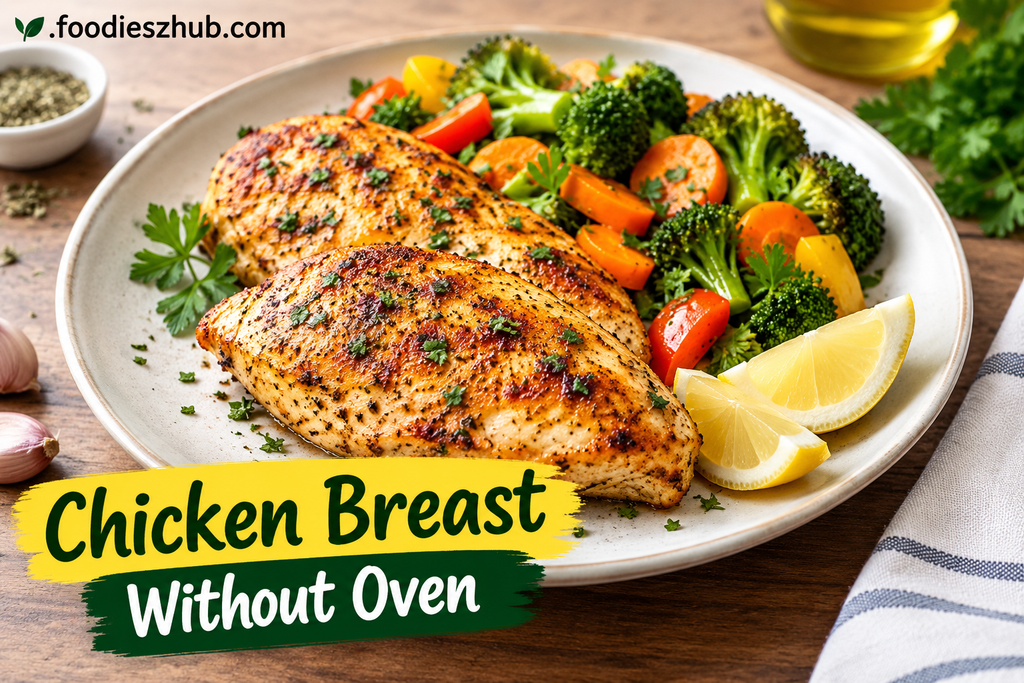
If you don’t have an oven, you can still make delicious, juicy, and tender chicken at home. This chicken breast without oven recipe is perfect for anyone who wants a simple way to cook chicken using a stovetop, skillet, or frying pan. With a few basic ingredients and the right cooking technique, chicken breast can turn out beautifully golden on the outside while remaining moist and flavorful inside.
Chicken breast is one of the most versatile ingredients for quick meals. It is naturally lean, cooks relatively quickly, and works well with almost any seasoning. The challenge is that chicken breast can become dry if it is overcooked. The good news is that you don’t need an oven to avoid that problem. A covered skillet and controlled heat can produce excellent results.
Whether you’re preparing lunch for your family, meal-prepping for the week, or simply looking for an easy dinner, this stovetop chicken breast without oven recipe is worth adding to your regular cooking routine.
Why Make Chicken Breast Without an Oven?
There are many reasons to cook chicken breast without an oven. Some kitchens don’t have an oven, while others may have one but prefer using the stovetop because it is faster and requires less energy.
Cooking chicken breast in a skillet also gives you more control over browning and seasoning. You can develop a delicious golden crust while keeping the inside tender.
Another advantage is convenience. You only need a frying pan or skillet, a lid, a few ingredients, and a stovetop. There is no need to preheat an oven or use a baking dish.
This method is especially useful during hot weather when you don’t want to heat your entire kitchen.
Ingredients for Chicken Breast Without Oven
The ingredient list is simple, making this recipe suitable for busy weeknights.
Main Ingredients
- 2 boneless, skinless chicken breasts
- 1 to 2 tablespoons cooking oil
- 1 teaspoon salt
- 1 teaspoon paprika
- ½ teaspoon black pepper
- ½ teaspoon garlic powder
- ½ teaspoon onion powder
- ½ teaspoon dried oregano or Italian seasoning
- 1 tablespoon lemon juice
- 1 to 2 tablespoons water or chicken broth
You can adjust the seasonings according to your taste. If you enjoy spicy chicken, add chili powder, cayenne pepper, or red pepper flakes.
Fresh garlic can also be used instead of garlic powder. A little fresh parsley or cilantro can be added at the end for extra freshness.
How to Prepare Chicken Breast Without Oven
The key to delicious stovetop chicken is preparation. Chicken breasts can vary significantly in thickness, so preparing them evenly helps them cook at the same rate.
1. Prepare the Chicken
Start by patting the chicken breasts dry with paper towels. Removing excess moisture helps the surface brown properly in the pan.
If the chicken breasts are very thick, place them between two sheets of plastic wrap or parchment paper and gently pound them with a meat mallet or rolling pin.
The goal isn’t to make them extremely thin. You simply want a more even thickness so the chicken cooks consistently.
2. Season the Chicken
Place the chicken breasts on a plate and season both sides with salt, paprika, black pepper, garlic powder, onion powder, and oregano.
Drizzle lemon juice over the chicken and gently rub the seasonings into the surface.
Allow the chicken to sit for about 10 to 15 minutes if you have time. This gives the seasoning a chance to work into the surface.
3. Heat the Pan
Place a heavy skillet or frying pan over medium heat.
Add the cooking oil and allow it to heat for a short time. The oil should be hot enough to help the chicken brown, but it shouldn’t be smoking heavily.
A cast-iron skillet, stainless-steel pan, or good-quality nonstick frying pan can work well.
4. Sear the Chicken
Carefully place the seasoned chicken breasts into the hot pan.
Cook the first side for several minutes without constantly moving the chicken. Allowing it to remain in contact with the pan helps create a golden-brown crust.
Once the first side is nicely browned, turn the chicken over and cook the other side.
Avoid pressing the chicken down with a spatula. Pressing it can force valuable juices out of the meat.
5. Add a Little Liquid
Once both sides have developed some color, reduce the heat to low or medium-low.
Add a small amount of water or chicken broth to the pan.
The liquid should not completely cover the chicken. You only need enough to create gentle steam and keep the cooking environment moist.
6. Cover the Pan
Cover the skillet with a lid.
Allow the chicken to continue cooking over low to medium-low heat until it is fully cooked.
The exact cooking time depends on the thickness of the chicken breasts. Thin pieces will cook faster, while thick pieces require more time.
The safest way to check doneness is to use an instant-read thermometer. Chicken breast should reach an internal temperature of 165°F (74°C) at the thickest part.
7. Rest Before Serving
Once the chicken is fully cooked, remove it from the pan and place it on a clean plate.
Let it rest for about 5 minutes before slicing.
Resting allows the juices to redistribute throughout the meat, which can make the chicken more tender and juicy.
How Long Does Chicken Breast Take Without an Oven?
Cooking time depends mainly on the thickness of the chicken.
A relatively thin chicken breast may cook in around 10 to 15 minutes, while a thicker breast can take longer.
Instead of relying only on time, check the internal temperature. The thickest part should reach 165°F (74°C).
If you’re cooking multiple chicken breasts at once, make sure they have enough space in the pan. Crowding the skillet can cause the chicken to steam instead of brown.
How to Keep Chicken Breast Juicy
The biggest complaint about stovetop chicken breast is dryness. Fortunately, a few simple techniques can make a major difference.
Don’t Overcook It
Overcooking is one of the main reasons chicken breast becomes dry and chewy.
Use a meat thermometer whenever possible. Once the chicken reaches the recommended safe internal temperature, remove it from the heat.
Pound Thick Chicken Breasts
Very thick chicken breasts can cook unevenly. The outside may become overcooked before the center is done.
Pounding the meat to a more uniform thickness solves this problem.
Use Moderate Heat
High heat can quickly brown the outside while leaving the inside undercooked.
Start with medium heat for browning and then reduce the heat to finish cooking gently.
Keep the Pan Covered
Covering the skillet traps steam and helps the chicken cook more evenly.
This is especially helpful when you’re making chicken breast without oven because the covered-pan method creates a moist cooking environment.
Let the Chicken Rest
Don’t immediately cut into the chicken after taking it off the stove. Give it a few minutes to rest.
This small step can make a noticeable difference in texture.
Best Seasonings for Stovetop Chicken Breast
One of the best things about chicken breast is how easily it takes on different flavors.
For classic chicken, use garlic powder, paprika, black pepper, salt, and oregano.
For spicy chicken, combine paprika with chili powder, cayenne pepper, garlic powder, and black pepper.
For a lemon-herb version, use lemon juice, oregano, thyme, parsley, garlic, salt, and pepper.
For a smoky flavor, add smoked paprika and a small amount of cumin.
You can also use ready-made seasoning blends if you want a faster preparation.
Chicken Breast Without Oven With Garlic Butter
If you want a richer version, garlic butter is an excellent option.
After the chicken has browned and is nearly cooked, reduce the heat and add a small amount of butter along with minced garlic.
Allow the butter to melt and gently spoon it over the chicken.
Fresh herbs such as parsley, rosemary, or thyme can be added during the final few minutes.
The result is flavorful chicken with a buttery garlic aroma and a beautiful golden surface.
Chicken Breast Without Oven for Meal Prep
Stovetop chicken breast is excellent for meal preparation.
Cook several chicken breasts at once, allow them to cool, and store them in airtight containers.
You can use the cooked chicken throughout the week for salads, sandwiches, wraps, rice bowls, pasta, or quick lunches.
For the best texture, avoid reheating the chicken for too long. Gentle reheating helps prevent it from becoming dry.
You can also slice the chicken before storing it. This makes it easy to add portions to meals without preparing chicken from scratch every day.
What to Serve With Chicken Breast
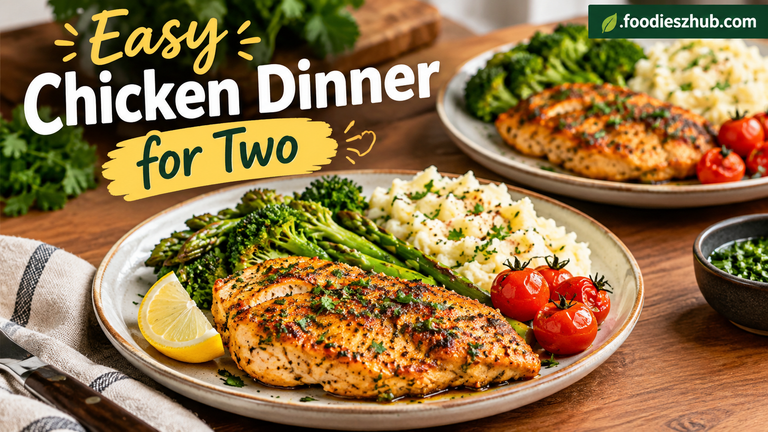
There are countless side dishes that pair well with stovetop chicken.
Try serving it with:
- Steamed rice
- Mashed potatoes
- Roasted or sautéed vegetables
- Fresh salad
- Pasta
- Garlic bread
- Couscous
- Quinoa
- Sautéed spinach
- Green beans
- Corn
- Coleslaw
For a lighter meal, serve sliced chicken breast over a fresh salad with lemon dressing.
For a more filling dinner, combine it with rice and vegetables.
You can also slice the chicken and place it inside a tortilla with lettuce, tomatoes, cucumber, and a yogurt-based sauce.
Common Mistakes to Avoid
Even a simple chicken recipe can go wrong if a few basic steps are overlooked.
Using Very High Heat
High heat may burn the outside before the center is fully cooked. Medium heat is generally more manageable.
Moving the Chicken Too Much
Constantly turning or moving the chicken can prevent proper browning.
Let each side cook undisturbed for a while before flipping.
Cooking Unevenly Sized Pieces
If one chicken breast is much thicker than another, they won’t finish at the same time.
Try to use pieces of similar thickness or pound them evenly.
Cutting the Chicken Too Early
Cutting the chicken immediately after cooking can cause juices to escape.
Allow it to rest for a few minutes first.
Guessing When It’s Done
Color alone isn’t always a reliable indicator of doneness. A thermometer provides a much more dependable way to check the internal temperature.
Can You Cook Frozen Chicken Breast Without an Oven?
It is possible to cook chicken breast from frozen using certain methods, but fresh or properly thawed chicken is generally easier to cook evenly in a skillet.
Frozen chicken can release extra moisture and may take considerably longer to cook.
If you’re using frozen chicken, make sure it reaches 165°F (74°C) internally before serving.
For consistent results, thaw chicken safely in the refrigerator before cooking whenever possible.
Can You Cook Chicken Breast Without Oil?
Yes, chicken breast can be cooked with little or no added oil in a quality nonstick pan.
However, a small amount of oil helps improve browning and can reduce sticking.
You can also use a small amount of butter, although butter can burn more easily at high temperatures.
For a lower-fat preparation, use a nonstick skillet and just enough oil to lightly coat the cooking surface.
How to Make Chicken Breast More Flavorful
Chicken breast has a mild flavor, which makes it ideal for experimenting with seasonings and sauces.
You can marinate the chicken before cooking with ingredients such as lemon juice, yogurt, garlic, herbs, paprika, and spices.
After cooking, serve the chicken with sauces such as:
- Garlic yogurt sauce
- Honey mustard
- Lemon butter sauce
- Tomato sauce
- Green herb sauce
- Creamy mushroom sauce
- Spicy chili sauce
Even a simple squeeze of fresh lemon juice can brighten the flavor.
Frequently Asked Questions
Can I make chicken breast without an oven?
Yes. Chicken breast can easily be cooked on a stovetop using a skillet or frying pan. Searing followed by covered cooking is a simple method for making juicy chicken without an oven.
What is the best pan for chicken breast?
A heavy skillet, cast-iron pan, stainless-steel skillet, or quality nonstick pan can work well. Choose a pan that distributes heat evenly.
How do I know when chicken breast is cooked?
The most reliable method is to check the thickest part with an instant-read thermometer. It should reach 165°F (74°C).
Why is my chicken breast dry?
Chicken breast usually becomes dry because it has been overcooked. Very high heat and cooking for too long can remove moisture from the meat.
Should I cover chicken breast while cooking?
Yes, covering the pan during the final cooking stage can help the chicken cook gently and evenly while retaining moisture.
Can I use chicken thighs instead?
Absolutely. Chicken thighs are more forgiving because they contain more fat and tend to remain juicy. However, cooking times will vary.
Can I make this recipe spicy?
Yes. Add chili powder, cayenne pepper, red pepper flakes, or your favorite hot seasoning blend.
Can I use boneless chicken breast?
Yes. Boneless, skinless chicken breast is ideal for this recipe because it cooks relatively quickly and is easy to season.
Tips for the Best Chicken Breast Without Oven
For the best results every time, remember these simple tips:
- Choose chicken breasts with similar thickness.
- Pat the chicken dry before seasoning.
- Season both sides generously.
- Preheat the skillet before adding the chicken.
- Use medium heat for browning.
- Avoid constantly moving the chicken.
- Reduce the heat once the chicken is browned.
- Add a little water or broth and cover the pan.
- Check the internal temperature rather than relying only on cooking time.
- Let the chicken rest before slicing.
Final Thoughts
Making chicken breast without oven is simple, convenient, and perfect for everyday cooking. You don’t need specialized equipment or complicated ingredients to create tender and flavorful chicken. A good skillet, moderate heat, basic seasonings, and a little patience are enough.
The most important part is controlling the heat and avoiding overcooking. Start by seasoning and searing the chicken, then lower the heat, add a little liquid, and cover the pan until the chicken is fully cooked. Always check that the thickest part reaches 165°F (74°C), and give the chicken a few minutes to rest before serving.
Once you become comfortable with this method, you can change the seasonings and sauces to create completely different meals. Serve your chicken with rice, vegetables, pasta, salad, or inside wraps and sandwiches.
Whether you don’t own an oven, want a faster cooking method, or simply prefer stovetop meals, this chicken breast without oven recipe gives you an easy way to enjoy delicious homemade chicken any day of the week.