Chicken Curry Without Coconut Milk: A Flavorful, Easy Homemade Recipe
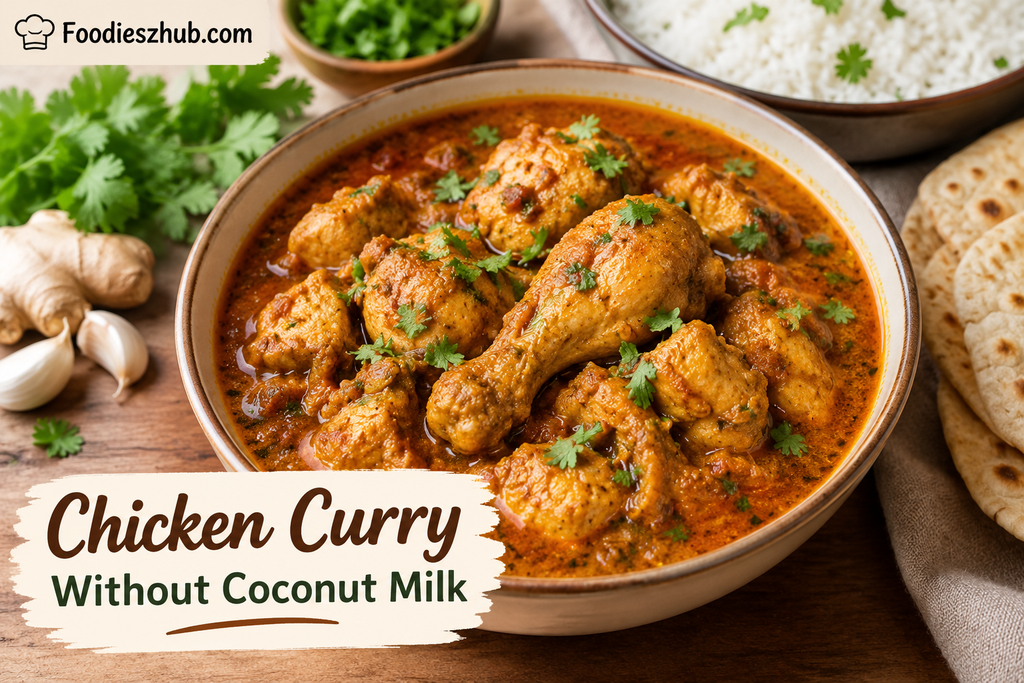
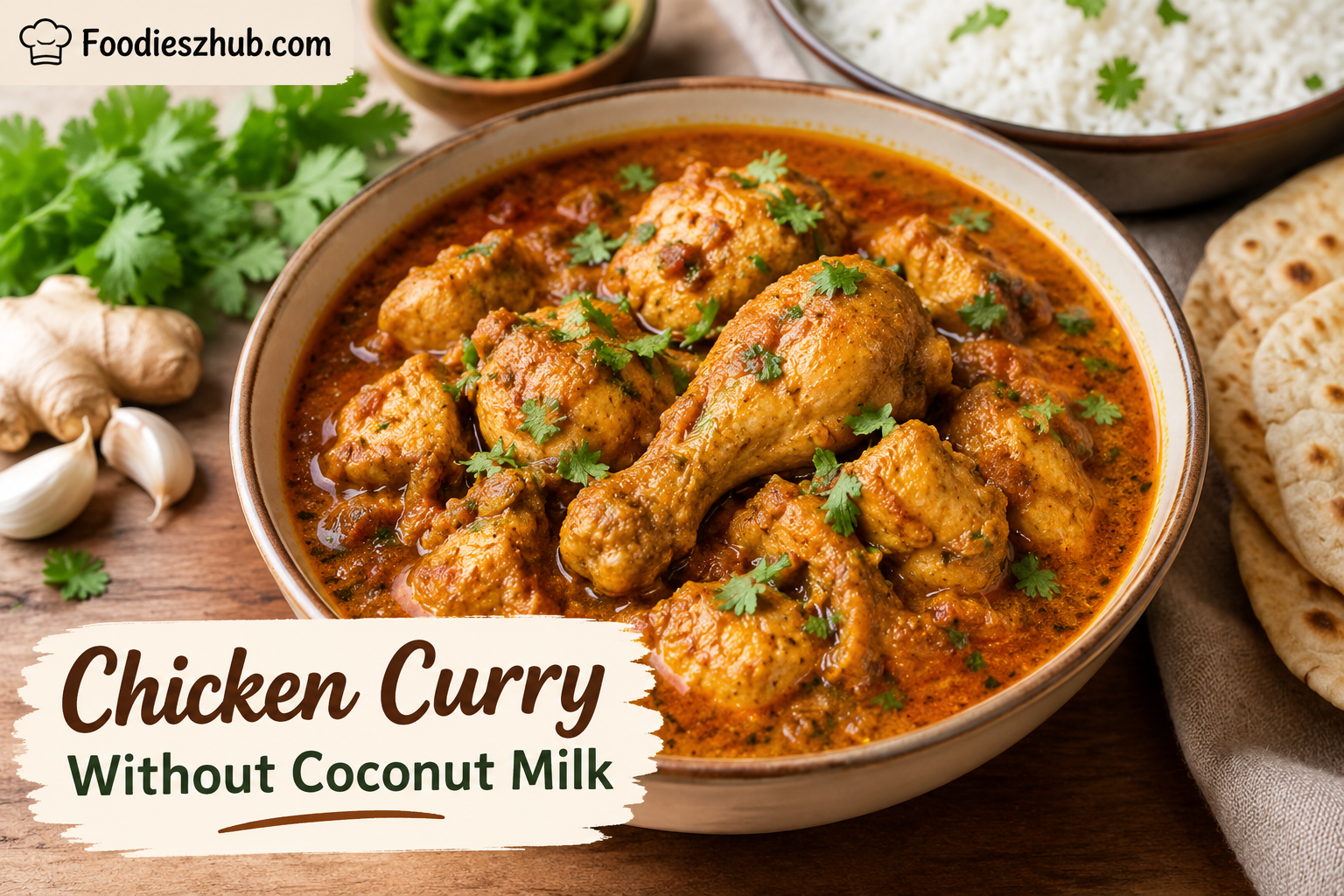
If you love rich, flavorful chicken curry but do not have coconut milk at home, there is no need to change your dinner plans. Chicken curry without coconut milk can be just as delicious, comforting, and satisfying as traditional coconut-based curry. With simple pantry ingredients such as onions, tomatoes, garlic, ginger, spices, and chicken, you can make a thick and aromatic curry that pairs beautifully with rice, naan, roti, or chapati.
This recipe is especially useful for people who prefer a lighter curry or simply want to enjoy chicken curry without the sweetness and creaminess that coconut milk can add. The secret is to slowly cook the onions and spices and allow the chicken to absorb all those wonderful flavors.
Whether you are cooking for your family on a busy weeknight or preparing a special weekend meal, this chicken curry without coconut milk is an easy recipe worth keeping in your kitchen collection.
What Is Chicken Curry Without Coconut Milk?
Chicken curry without coconut milk is a traditional-style chicken dish prepared without using coconut milk or coconut cream. Instead of coconut milk, the curry gets its flavor and texture from sautéed onions, tomatoes, yogurt, broth, and a carefully selected blend of spices.
There are many ways to prepare chicken curry, and coconut milk is not an essential ingredient. In fact, many South Asian chicken curries are traditionally made without coconut milk.
The result is a savory, aromatic curry with tender chicken coated in a flavorful sauce. You can make it mild or spicy depending on your taste.
Why You Will Love This Chicken Curry
There are plenty of reasons to make this recipe.
First, you do not need coconut milk. This makes the recipe convenient when you want chicken curry but do not have canned coconut milk available.
Second, the ingredients are simple. Most of the spices and vegetables are probably already in your pantry.
Third, it is easy to customize. You can make the curry thicker, thinner, spicier, or milder depending on what your family likes.
Finally, it is incredibly versatile. Serve it with steamed rice, basmati rice, naan, roti, chapati, or even a simple salad for a complete meal.
Ingredients for Chicken Curry Without Coconut Milk
Here are the ingredients you will need:
- 1.5 pounds chicken, cut into medium-sized pieces
- 2 tablespoons cooking oil
- 1 large onion, finely chopped
- 3 cloves garlic, minced
- 1 tablespoon fresh ginger, grated
- 2 medium tomatoes, finely chopped or pureed
- 1/2 cup plain yogurt
- 1 cup water or chicken broth
- 1 teaspoon salt, or to taste
- 1 teaspoon ground cumin
- 1 teaspoon ground coriander
- 1 teaspoon paprika
- 1/2 teaspoon turmeric
- 1/2 teaspoon chili powder
- 1/2 teaspoon garam masala
- 1/2 teaspoon black pepper
- 1 small cinnamon stick
- 2 to 3 cardamom pods
- 2 cloves
- 1 bay leaf
- Fresh cilantro for garnish
You can adjust the amount of chili powder according to your preferred level of heat.
Choosing the Right Chicken
You can use either chicken thighs or chicken breast for this recipe.
Chicken thighs are especially good for curry because they contain more fat and remain tender during cooking. They also absorb the spices beautifully.
Chicken breast is a leaner option and works well if you prefer white meat. However, avoid overcooking it because chicken breast can become dry.
Bone-in chicken can also be used. It usually produces a deeper, richer flavor because the bones release additional flavor into the curry.
How to Make Chicken Curry Without Coconut Milk
Step 1: Prepare the Chicken
Start by cutting the chicken into medium-sized pieces. Try to keep the pieces similar in size so they cook evenly.
Pat the chicken dry with paper towels. This helps the chicken brown better when it goes into the pan.
You can lightly season the chicken with a little salt, turmeric, and black pepper while you prepare the other ingredients.
Step 2: Heat the Oil
Place a large heavy-bottomed pot or deep skillet over medium heat.
Add the cooking oil and allow it to heat for a few seconds.
Add the cinnamon stick, cardamom pods, cloves, and bay leaf. Cook for about 30 seconds until the spices become fragrant.
This simple step helps release the natural oils from the whole spices and gives the curry a wonderful aroma.
Step 3: Cook the Onion
Add the chopped onion to the pan.
Cook it over medium heat, stirring occasionally, until it becomes soft and golden brown. This can take around 7 to 10 minutes.
Do not rush this step. Properly cooked onions are one of the most important ingredients in a flavorful curry.
If the onions burn, they can make the entire curry taste bitter, so keep the heat moderate.
Step 4: Add Ginger and Garlic
Add the minced garlic and grated ginger.
Cook for about one minute while stirring continuously.
You should notice a strong, delicious aroma as the ginger and garlic cook.
Avoid cooking garlic for too long because burned garlic can become bitter.
Step 5: Add the Ground Spices
Now add the cumin, coriander, paprika, turmeric, chili powder, and black pepper.
Stir everything together.
Cook the spices for approximately 30 seconds to one minute.
If the pan seems dry, add a tablespoon or two of water. This prevents the spices from burning while allowing them to release their flavors.
Step 6: Add the Tomatoes
Add the chopped or pureed tomatoes.
Stir well and cook for about 8 to 10 minutes.
The tomatoes should soften completely and combine with the onions and spices.
Continue cooking until the mixture becomes thick and the oil begins to separate slightly around the edges.
This is an important stage because properly cooked tomato masala gives your chicken curry without coconut milk its rich flavor.
Step 7: Add Yogurt
Reduce the heat to low.
Add the yogurt gradually while stirring continuously.
Adding yogurt slowly helps prevent it from curdling.
Cook the mixture for another 2 to 3 minutes until the yogurt is completely incorporated into the sauce.
Yogurt adds creaminess and a mild tang without using coconut milk.
Step 8: Add the Chicken
Add the chicken pieces to the masala.
Stir thoroughly so every piece is coated with the onion, tomato, yogurt, and spice mixture.
Cook for approximately 5 to 7 minutes, stirring occasionally.
The chicken should begin to change color and become lightly browned.
Step 9: Add Water or Chicken Broth
Pour in about one cup of water or chicken broth.
Stir everything together.
Bring the curry to a gentle boil, then reduce the heat.
Cover the pot and allow the chicken to simmer for approximately 20 to 25 minutes, or until it is completely cooked and tender.
The exact cooking time depends on the size and type of chicken pieces you use.
Step 10: Finish the Curry
Remove the lid and check the consistency.
If the curry is too thin, simmer it uncovered for a few more minutes.
If it is too thick, add a small amount of hot water.
Finally, add garam masala and stir well.
Taste the curry and adjust the salt or chili according to your preference.
Garnish with freshly chopped cilantro.
Your homemade chicken curry without coconut milk is ready to serve.
How to Make the Curry Extra Flavorful
The flavor of chicken curry comes from building layers of flavor rather than simply adding everything to the pot at once.
Take your time when cooking the onions. Golden-brown onions provide sweetness and depth.
Fresh ginger and garlic also make a noticeable difference. While jarred versions can work, fresh ingredients usually provide a brighter flavor.
Another important tip is to cook the tomato and spice mixture properly. If you add the chicken before the masala has cooked down, the curry may taste raw or watery.
Finally, adding a small amount of garam masala toward the end gives the curry a warm, fragrant finish.
Can You Make Chicken Curry Without Coconut Milk and Without Yogurt?
Absolutely.
If you do not want to use yogurt, you can simply leave it out.
Use slightly more tomato or add additional chicken broth to create the desired consistency.
Another option is to blend some of the cooked onion and tomato mixture before adding the chicken. This creates a naturally smooth sauce without needing coconut milk or cream.
You can also add a small amount of heavy cream if you want a creamy curry, although this is optional.
How to Make Chicken Curry Less Spicy
If you prefer mild food, reduce the chili powder and use mild paprika for color.
You can also remove fresh chilies if the recipe includes them.
For a family-friendly version, use only a small amount of chili powder and allow people to add extra chili at the table if desired.
The spices such as cumin, coriander, turmeric, cinnamon, and cardamom can remain because they add flavor without necessarily making the curry hot.
How to Make It Spicier
For a spicy chicken curry, add fresh green chilies along with the ginger and garlic.
You can also increase the amount of chili powder or add crushed red pepper flakes.
For an especially bold curry, add a small amount of cayenne pepper.
However, increase the heat gradually. It is much easier to add more spice than to fix a curry that has become overwhelmingly hot.
What to Serve With Chicken Curry
One of the best things about this recipe is how many side dishes work with it.
Steamed Rice
Simple steamed white rice is an easy choice. The rice absorbs the flavorful curry sauce and balances the spices.
Basmati Rice
Fragrant basmati rice makes the meal feel extra special. Its light texture works particularly well with rich curry.
Naan
Warm naan is perfect for scooping up the chicken and sauce.
Roti or Chapati
For a simple everyday meal, serve the curry with homemade roti or chapati.
Salad
A fresh cucumber and tomato salad can provide a refreshing contrast to the warm spices.
Raita
Yogurt-based raita can help balance a spicy curry and add a cooling element to the meal.
Can I Make This Chicken Curry Ahead of Time?
Yes. In fact, chicken curry can taste even better after sitting for a few hours because the flavors have more time to blend.
Allow the curry to cool and store it in an airtight container in the refrigerator.
When you are ready to eat, reheat it gently on the stovetop.
Add a splash of water if the sauce has become too thick in the refrigerator.
Make sure the chicken is heated thoroughly before serving.
How to Store Leftover Chicken Curry
Allow the curry to cool before transferring it to an airtight container.
Keep it refrigerated and consume it within a few days.
For longer storage, you can freeze the curry in freezer-safe containers.
When freezing, consider storing rice separately from the curry. This makes reheating easier and helps the rice maintain a better texture.
Thaw frozen curry in the refrigerator before reheating whenever possible.
Common Mistakes to Avoid
Rushing the Onions
Undercooked onions can make the curry taste harsh. Give them enough time to soften and turn golden.
Burning the Spices
Ground spices can burn quickly. If your pan becomes dry, add a small splash of water.
Adding Cold Yogurt Too Quickly
Cold yogurt can sometimes separate when added to a hot pan. Let it come closer to room temperature and add it gradually over low heat.
Using Too Much Water
Adding too much water can create a thin and bland curry. Start with a moderate amount and add more only when necessary.
Overcooking Chicken Breast
Chicken breast can become dry if cooked for too long. Keep an eye on it and cook just until tender.
Frequently Asked Questions
Can I make chicken curry without coconut milk?
Yes. Coconut milk is not required to make a delicious chicken curry. Onions, tomatoes, yogurt, broth, and spices can create a flavorful sauce.
What can I use instead of coconut milk in chicken curry?
Yogurt, chicken broth, blended tomatoes, cream, or simply water can be used depending on the style of curry you want.
Is chicken curry without coconut milk healthy?
It can be part of a balanced meal. Using a moderate amount of oil and serving the curry with vegetables or a reasonable portion of rice can make it a satisfying meal.
Can I use chicken breast?
Yes. Chicken breast works well, but be careful not to overcook it.
Can I use boneless chicken?
Yes. Boneless chicken cooks relatively quickly and is convenient for this recipe.
Can I make this recipe dairy-free?
Yes. Simply leave out the yogurt and use water or chicken broth instead. Make sure your broth is dairy-free if necessary.
Can I freeze chicken curry?
Yes. Chicken curry generally freezes well when stored properly in an airtight, freezer-safe container.
Why is my curry watery?
The curry may contain too much liquid or may not have simmered long enough. Remove the lid and cook it over medium-low heat until the sauce reaches your preferred consistency.
Easy Variations
Once you have mastered the basic recipe, you can experiment with different ingredients.
Add potatoes for a hearty chicken and potato curry.
Add spinach for a vegetable-rich variation.
For extra vegetables, include bell peppers, peas, carrots, or cauliflower.
You can also add a small amount of lemon juice at the end for a bright, fresh flavor.
For a richer curry without coconut milk, add a little cream or extra yogurt.
If you enjoy smoky flavors, lightly char the chicken before adding it to the curry.
Tips for the Best Chicken Curry Without Coconut Milk
Use fresh ginger and garlic whenever possible.
Take your time cooking the onions.
Do not burn the ground spices.
Cook the tomato mixture until it thickens.
Add yogurt slowly over low heat.
Use chicken thighs for especially tender results.
Adjust the amount of water depending on how thick you like your curry.
Taste the curry before serving and adjust the salt and spices.
Allow the curry to rest for a few minutes before serving so the flavors can settle.